



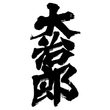

Miyozakura Brewery
Miyozakura Brewery stands at Ōta-juku, the fifty-first post town on the old Nakasendō, in what is now Minokamo City, Gifu. Long before there was a brewery there was a teahouse: the founding family, who had moved to Gifu from present-day Tsushima in Aichi, sold dango to travellers on the road under the shop name "Tsushimaya". Brewing began in 1893, and more than a century later that old teahouse name was brought back for the brewery's flagship brand.
Miyozakura Brewery stands at Ōta-juku, the fifty-first post town on the old Nakasendō, in what is now Minokamo City, Gifu. Long before there was a brewery there was a teahouse: the founding family, who had moved to Gifu from present-day Tsushima in Aichi, sold dango to travellers on the road under the shop name "Tsushimaya". Brewing began in 1893, and more than a century later that old teahouse name was brought back for the brewery's flagship brand.
Tsushimaya was launched in 2012 by the sixth generation, Watanabe, who had taken the brewery on suddenly at twenty-nine. It is junmai grade and above only, and it is sold through a deliberately small circle of retailers who understand how the house works — a restriction the brewery chose, not one forced on it by scarcity.
The water comes from wells inside the brewery grounds, drawing the subterranean flow of the Kiso River. It is medium-soft with a faint sweetness of its own, and since water makes up some eighty per cent of finished sake, the brewery treats it as the first decision rather than a background detail. It is where Tsushimaya's soft, unhurried mouthfeel begins.
Rice is contract-grown around Minokamo, supplemented by whatever each style calls for — Miyamanishiki from Nagano, Yamada Nishiki from Hyōgo, Omachi from Okayama, Ginpu from Hokkaido. The work itself is deliberately old-fashioned: rice steamed in a traditional koshiki, and every grain of koji made by hand across a full two days, through the whole sequence from hikikomi to degoji. The top grades are then bottle-aged in cold storage before release.
The phrase the brewery works to is about harmony — five tastes and five senses brought into balance by the harmony of the people making it. What they say they want from the sake is simpler: something that soothes the person drinking it and makes them smile without meaning to.
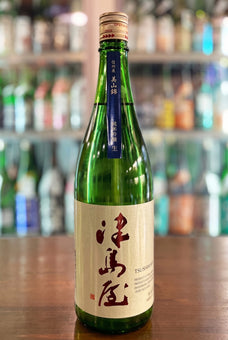
Tsushimaya Junmai Ginjo Miyamanishiki Unpasteurized
- 720ml $61.00

Tsushimaya Junmai Nordwind Perlwein 2025
- 720ml $58.00